
Indigenous Peoples and Local Communities

Building trust. Acknowledging the past. Listening always.
Lasting conservation must actively involve people and partners linked to the natural systems we seek to protect, and their voices must be at the center of what we do. We are continually learning and growing in how we show up as an authentic, ethical and effective conservation partner.

Deeper connections—and greater conservation results
Around the globe, Indigenous Peoples and local communities have long protected their lands and waters in reciprocity with nature, often guided by deep connections to place, culture and ways of knowing.
These communities collectively manage at least one-quarter of the world’s lands, 17% of all forest carbon, and vast stretches of freshwater and marine habitats. Their stewardship and management often achieve greater conservation results and sustain more biodiversity than government protected areas.

The disruptive legacy of colonialism
For generations, profound and painful challenges such as colonialism, forced resettlement, strong external development pressures and exclusion from natural resource decisions have undermined Indigenous Peoples’ agency and ability to manage their lands and waters.
These externally-imposed power dynamics have disrupted countless Indigenous communities’ relationships with territory, with cultural and spiritual practices and with their ability to self-determine sustainable economies. Not only has this history of disempowerment harmed people—it's harmed the lands and waters they've lived on, and all the life these places support.
When the legacy of these challenges is addressed, Indigenous Peoples and local communities can lead us to a world where people and nature thrive together—as they have done for millennia.

The most impactful and enduring actions we can take
When opportunities arise or we are invited to collaborate, The Nature Conservancy works in partnership with Indigenous Peoples and local communities to support their visions, learn from their stewardship experiences, and amplify their leadership in conserving lands, waters and ways of life.
Evidence supports this as one of the most impactful and enduring actions we can take to protect ecosystems and biodiversity and tackle climate change. TNC believes a thriving future is possible only if communities are shaping conservation and development decisions.
Jump to:
Partner-Centered Principles ›
Committed to being an authentic, ethical and effective partner
Respect for people, communities and cultures is a core value of The Nature Conservancy. For our conservation work to endure, it needs to actively involve people and partners whose lives and livelihoods are linked to the natural systems we seek to protect. Their visions and voices need to be at the center of what we do.
When we are invited to work alongside Indigenous Peoples and local communities, we together develop relationships based on respect, trust and mutual understanding.
Partnering with Indigenous Peoples and local communities has been an important part of TNC’s approach for many years. In places like Canada, Indigenous-led conservation has been a key part of our strategy from the beginning. But like all conservation organizations, our history is imperfect. We've made missteps, and TNC is committed to continually learning and growing in how we show up as an authentic, ethical and effective conservation partner.
Partner-Centered Principles
Our work with Indigenous Peoples and local communities (IPLC) work is based on building relationships, honoring self-determination, establishing trust, and fostering partnerships focused on shared interests.
-
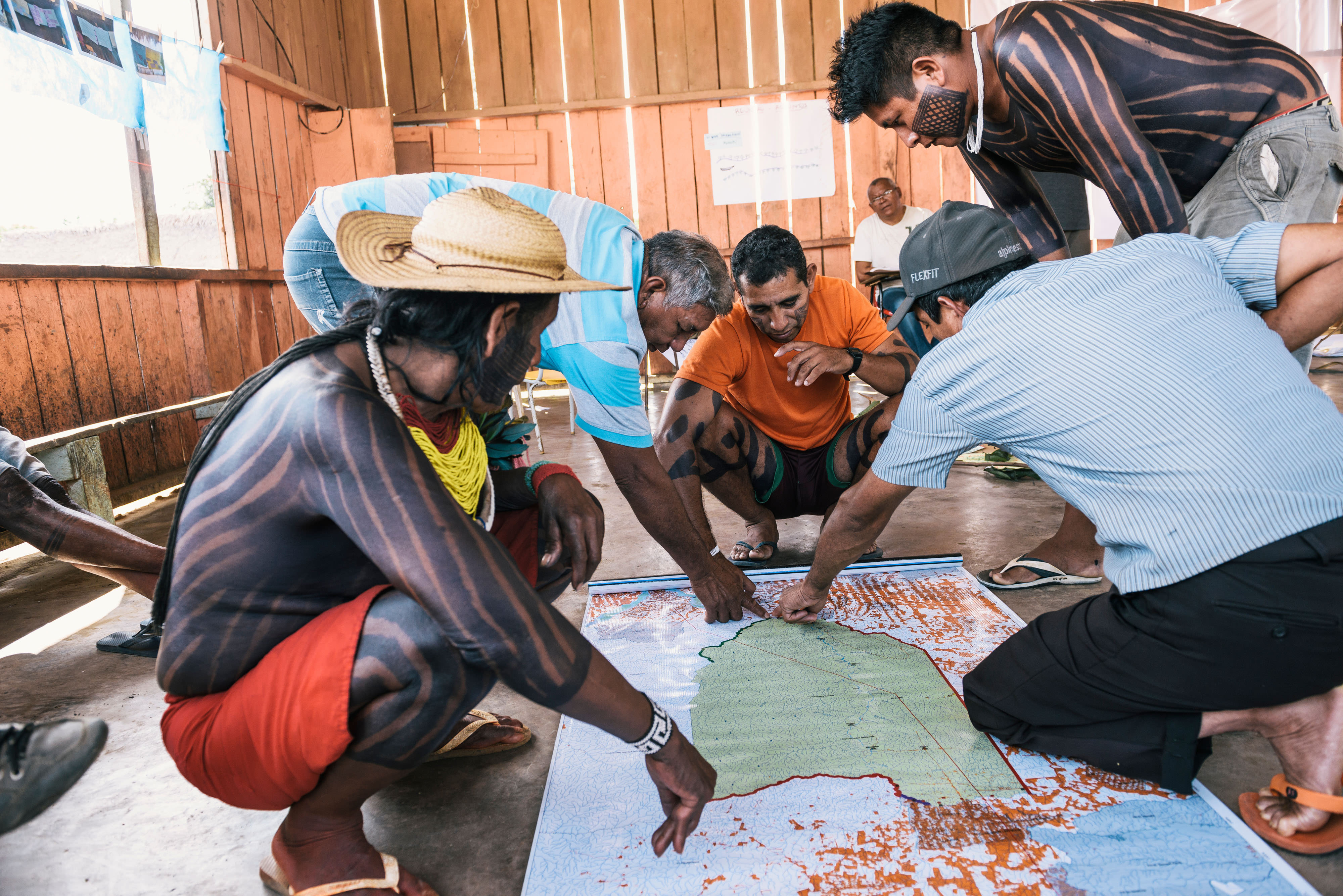
Indigenous and community-led
We seek to understand what a community wants our role to be. Together with Indigenous communities, we co-create plans that align with their priorities and The Nature Conservancy’s experience and mission.
-
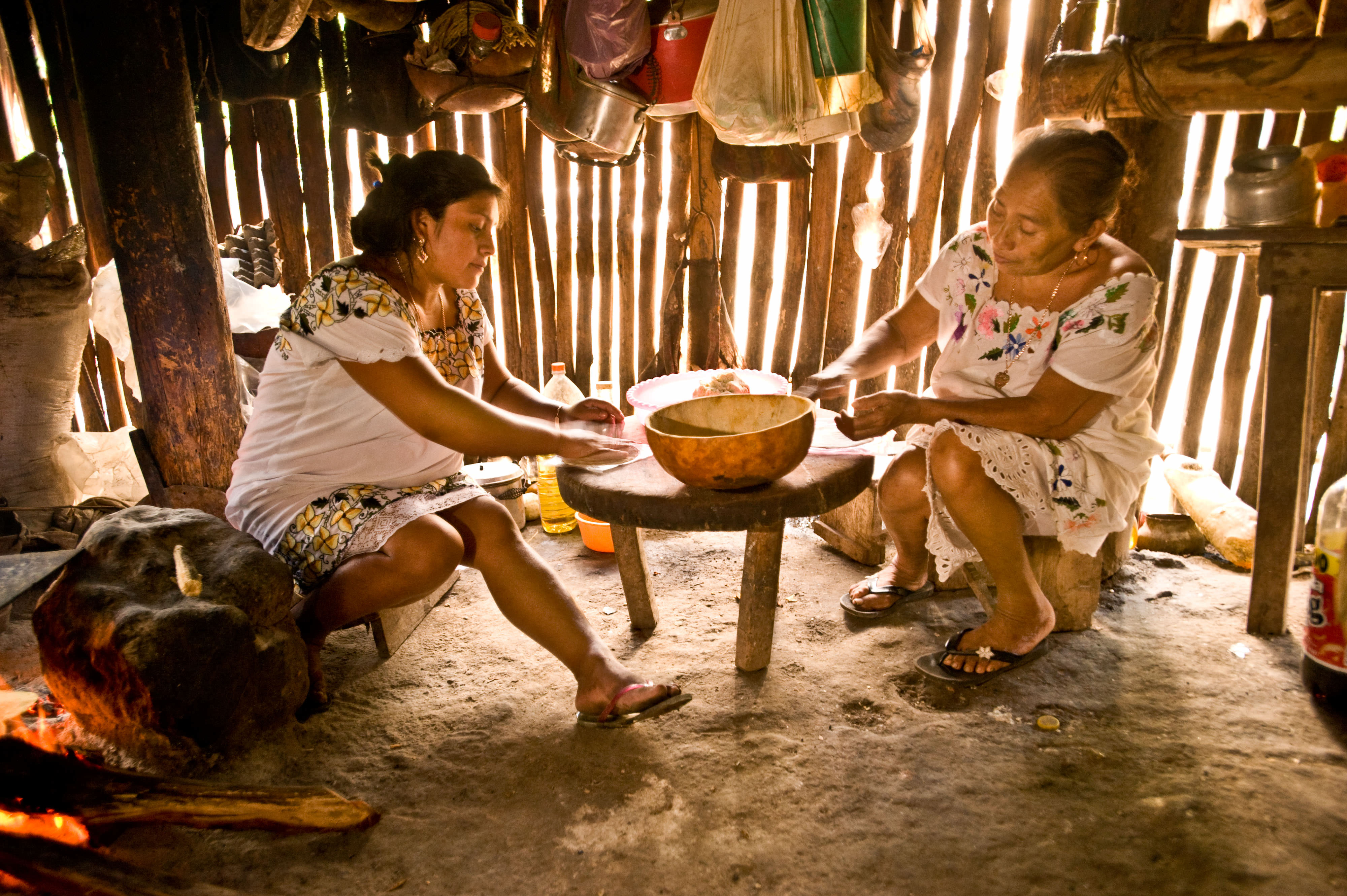
Diverse and inclusive
We recognize and respect the diversity of Indigenous Peoples and local communities, and the diversity that exists within communities. We aim to center gender equity and inter-generational leadership in our IPLC work.
-
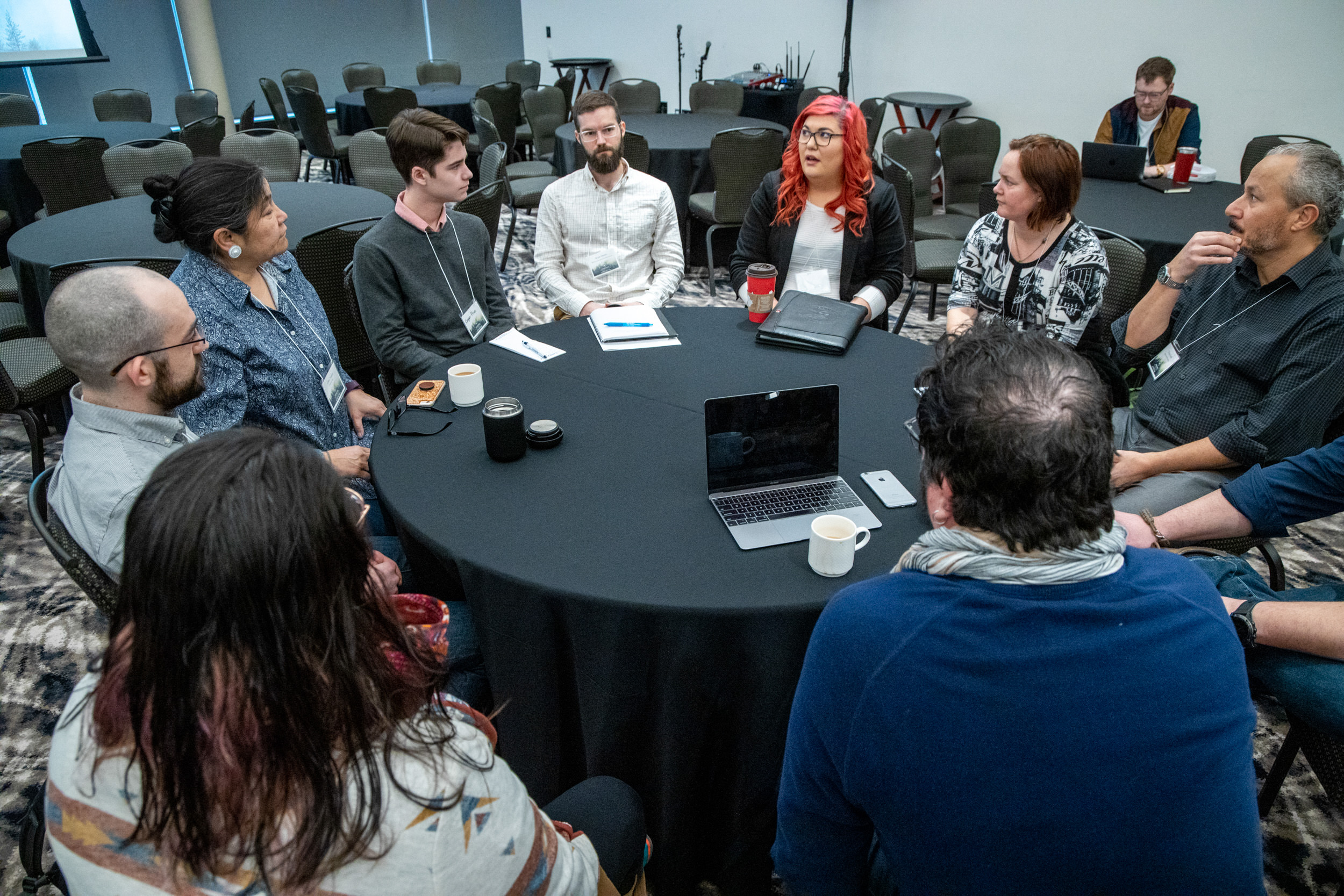
Reciprocity
Our partnerships with Indigenous Peoples and local communities are opportunities for mutual learning, sharing and benefit between the communities and TNC. We strive for transformational—not transactional—partnerships in the spirit of reciprocity.
-
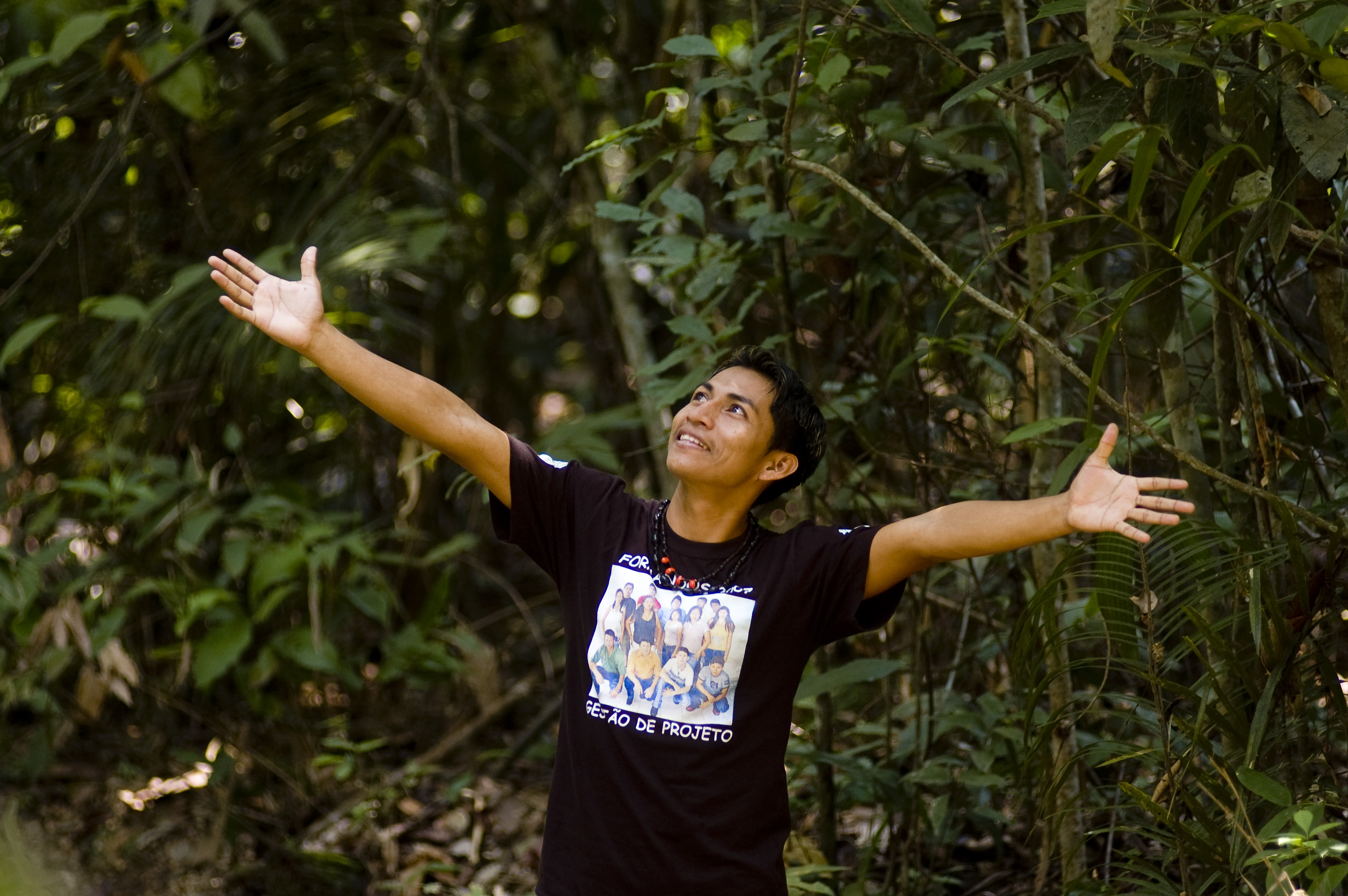
Communication and accountability
We listen deeply and open clear lines of communication. We commit to fulfilling agreed-upon roles and responsibilities, and to holding ourselves accountable for long-term partnerships and commitments.
-
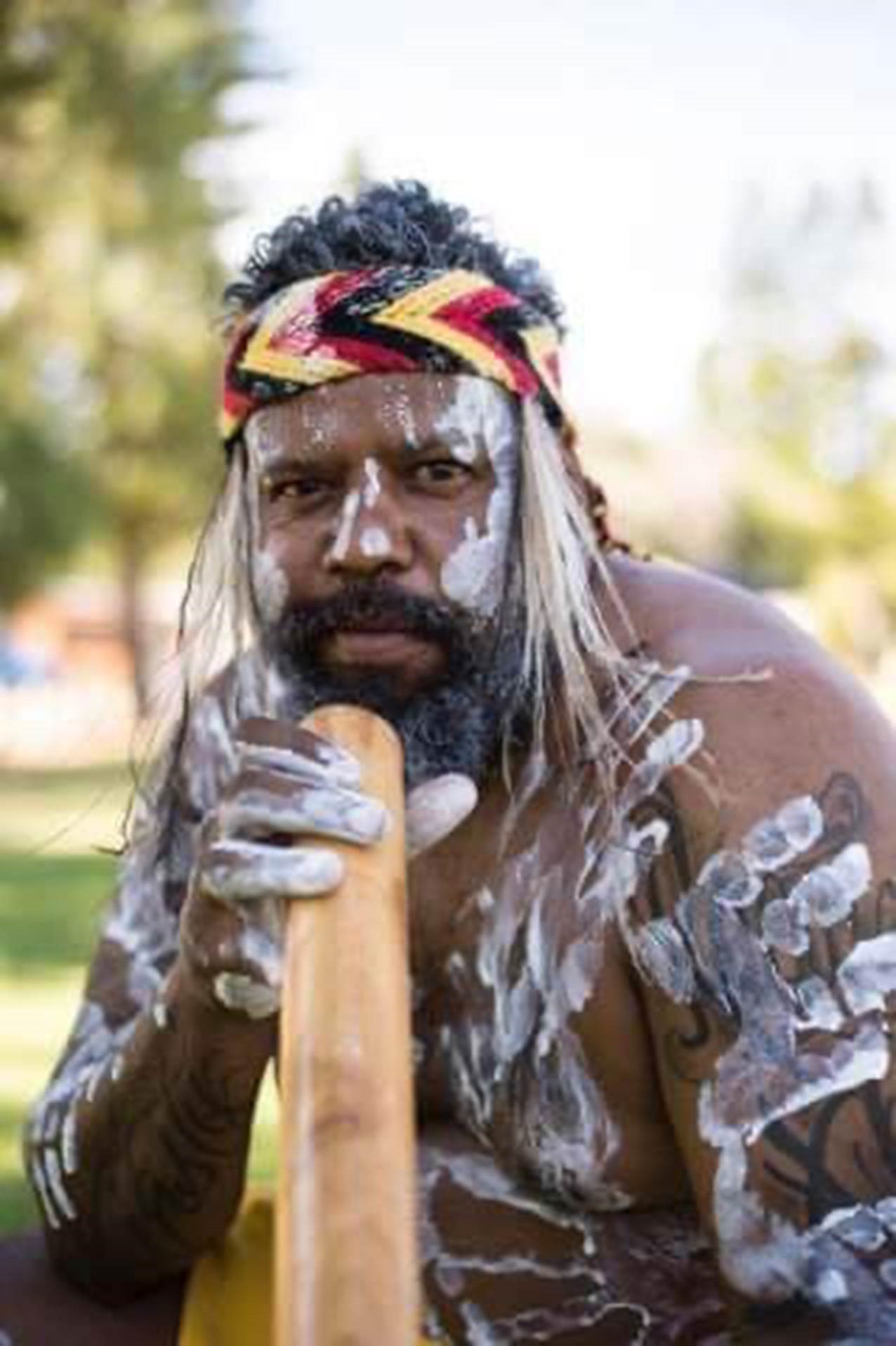
Flexible, adaptive and patient
We strive to be flexible to the needs, realities and competing priorities within communities. We recognize the interconnectedness of all things. And we learn from past mistakes.
Jump to:
‹ Overview | Our Approach ›
Evidence-based strategies to support healthy communities, lands and waters
The Nature Conservancy’s Indigenous and community-led conservation approach is strategy based and place based, guided by our Voice, Choice and Action (VCA) Framework.
We developed the VCA framework based on scientific theory and evidence as well as decades of practitioner experience partnering with communities across diverse cultures and ecosystems.
The VCA Framework is underpinned by respect for Indigenous Peoples and local communities’ connections to lands and waters as well as by a commitment to advancing equity and human rights. It has four main strategies and three foundational elements which aim to address deep-rooted challenges and support the visions of Indigenous and local communities that partner with TNC for thriving communities and healthy lands and waters. The pillars represent the characteristics necessary for successful community-led conservation whereas the foundational elements represent enabling conditions critical for enduring community-led conservation.

VCA Main Strategies
Click to read more about each:
-
When Indigenous Peoples and local communities have rights over lands, waters, and resources that are recognized and enforced by society and the government, they are better able to assert their interests in how these resources are used and managed. In turn, this can result in stronger community security and engagement in natural resource management and sustainable natural resource use, especially in situations where the community has a strong stewardship ethic, robust governance structures, accountable leadership, and economic opportunities that are closely linked to environmental stewardship and sustainable management of resources.
Examples of this work:
- In Mongolia, TNC helped 27 herding communities secure rights over 1.4 million acres, protecting their lands from mining and other development.
- Mongolia’s Amazing Grasslands
- Leah Orwangas: Empowering women in northern Tanzania (video)
- Gayini Back Under Nari Nari Ownership
- Canada: Thaidene Nëné
- In Mongolia, TNC helped 27 herding communities secure rights over 1.4 million acres, protecting their lands from mining and other development.
-
When Indigenous Peoples and local communities have individuals, leaders, and institutions with strong capacities, they are better able to achieve the collective action, community cohesion, and effective governance needed for sustainable natural resource management; respond to external threats to lands, waters, and resources; pursue, exercise, and defend their rights; develop sustainable livelihood opportunities; and participate in decision making that impacts the lands, waters, and resources on which they depend.
Examples of this work:
- Alongside Lake Tanganyika in Tanzania and Oneisomw Island, Federated States of Micronesia, we supported community capacity building to manage the health of their fisheries.
- Keeping Grasslands Healthy in Northern Tanzania
- New Zealand: Kotahitanga mō te Taiao Alliance: Working As One for Our Environment
- Indigenous Efforts: Working with Amazon Tribes to Secure a Sustainable Future
- Canada: Indigenous Guardians
- Alongside Lake Tanganyika in Tanzania and Oneisomw Island, Federated States of Micronesia, we supported community capacity building to manage the health of their fisheries.
-
When Indigenous Peoples and local communities effectively and meaningfully engage in multi-stakeholder dialogue and decision making, and lasting structures are established to maintain that engagement, natural resource management decisions better reflect diverse perspectives on sustainability, incorporate unique insights on management and resilience, and benefit from a sophisticated understanding of the interconnectedness of people and nature. Additionally, Indigenous and local community rightsholders benefit from increased voice and visibility, a stronger negotiating position to advance their vision for economic prosperity, and a leveling of power dynamics
Examples of this work:
- In Brazil, we facilitated dialogues among Indigenous Peoples, companies, governments and NGOs, resulting in decision-making that better reflects Indigenous priorities.
- In Indonesia, SIGAP: Inspiring Community Actions for Change
- In the US, Indigenous Peoples Burning Network
- In Canada, we have facilitated Healthy Country Planning Workshops, a participatory, Indigenous-led process for land and water planning and management.
- In Kenya, Patience Pays Off: Octopus Fisherwomen in Kenya Benefit from the Science of Recovery Times
-
When Indigenous Peoples and local communities have livelihood opportunities that are environmentally sustainable and culturally aligned, they are better able to assert their environmental and economic interests while maintaining a stronger negotiating position against unsustainable development options that degrade the environment and are poorly matched to their cultural values.
Examples of this work:
- In Australia, we supported a renewal of traditional fire management, which has generated around US $50 million in carbon credits and created meaningful jobs for over 500 Indigenous rangers.
- In Kenya: BeadWORKS: Women-led Sustainable Business Program in Kenya (video)
- In Zambia: A New Journey Begins in the Forest
- In Brazil: Açaí: The Roots of a Super Fruit
- Maya Forest Local Communities
- In Canada, we work alongside First Nations in Clayoquot Sound to advance land-use visions that prioritize sustainable, economic opportunities and natural climate solutions.
-
When Indigenous Peoples and local communities, and the various intersecting identities that make up communities, can participate and benefit equitably from conservation initiatives, stewardship activities are strengthened by the unique perspectives and knowledges of different community members and the longevity of community decisions and actions is increased, leading to better outcomes for both people and nature.
Examples of this work:
In Papua New Guinea: Women Guardians of the Mangroves
-
When Indigenous Peoples and local communities can maintain, revive, strengthen, use, and transfer their knowledge—which is often rooted in time, culture, and place—they are better able to center natural resource management decisions on principles of reciprocity, and ensure future generations can benefit from traditional ways of knowing and being.
Examples of this work:
In Canada, the Supporting Emerging Aboriginal Stewards program helps reconnect youth to conservation leadership roles.
-
When Indigenous Peoples and local communities have access to finance that covers the full cost of stewardship activities; favorable government institutions that elevate their collective rights and participation in policy-making; and the ability to achieve the needed scale of impact through expansion, replication, and diffusion of successful models of community-led conservation, their efforts to thrive in place are more likely to achieve long-term social, economic, and environmental sustainability.
Examples of this work:
In Canada, an endowment fund, Coast Funds, is split evenly to support conservation activities and to drive sustainable economic development in the Great Bear Rainforest.

Monitoring for adaptive management
We developed a common set of measures and monitoring guidelines that give programs implementing the VCA Framework a way to track interlinked human well-being and environmental outcomes.
Engaging in community-level monitoring will help us and our partners make even more informed decisions about how to adapt our strategies to ensure effective and sustainable solutions for people and nature and tell a shared story from a place of evidence.
Respecting and promoting human rights: The right thing to do, and good for conservation outcomes
Underlying these strategies is our commitment to respecting, promoting and upholding the best practices and standards for a human rights-based approach to conservation. These standards include respect for Indigenous Peoples’ right to self-determination and the foundational principle of Free, Prior and Informed Consent.
Supporting Indigenous and community rights is one of the most impactful ways to protect critical places, address climate change and build a future in which people and nature thrive, yet these rights have often been disregarded or undervalued by actors, including conservation organizations.
With acknowledgment of where conservation has fallen short and with a humble respect for Indigenous peoples’ hard-fought collective power in taking back these rights, we assert that a human rights-based approach improves conservation policy and practice and leads to a better world for everyone.
We are a founding member of the Conservation Initiative on Human Rights and in 2020, we launched the Human Rights Guide for Working with Indigenous Peoples and Local Communities that will continue to evolve alongside our experience.

Effective gender-inclusive strategies:
- Want to save the planet? Empower women.
- A Sustainable Future is Indeed Female
- Women in Alaska show the way on climate
- Indigenous women's leadership in natural resources management
- Octopus fisherwomen benefit from the science of recovery times
- Indigenous Women: Keepers of the Amazon Rainforest
- Mangrove Market Women
- The KAWAKI Women’s Group: Turtle Advocates
Gender equity leads to better outcomes for people and nature
When Indigenous and community-led conservation includes women, the results are positive and proven—increased forest protection, climate change mitigation and sustainable food production.
Women around the world play a central role in managing natural resources for their communities, yet they often lack rights and decision-making power in these contexts. Structural inequality undermines the security and well-being of not only women but entire communities and the ecosystems they protect.
TNC has developed gender-responsive strategies and internal guidelines to increase equity and conservation success using a community of practice model. From managing fire in the U.S. to monitoring sea turtles in the Solomon Islands, women and girls are leading our planet to a brighter future.
Download the Report
Dig DeeperCommunity-Based Conservation Needs Sustainable Financing to Ensure Durable Results
Indigenous peoples and local communities have a key role to play in global biodiversity conservation and nature-based solutions to climate change. These community’s aspirations often include sustainable development while taking care of nature. However, historic and ongoing economic and social marginalization pose obstacles to Indigenous communities' pursuit of both socioeconomic and conservation goals. Therefore, supporting Indigenous-led conservation efforts involves addressing conservation financing needs within a larger context of sustainable development.
Key features of successful financing solutions include ongoing fundraising efforts; diversification of financing sources; clearly distributed roles and responsibilities within the financing strategy; private sector partnerships for enterprise-based solutions; and flexible funding to respond to new opportunities. As well as enabling factors which include Indigenous communities' ownership and leadership; investment in institutional capacity beyond conservation; clarity of tenure, title or some form of property/resource rights; and access to technical capacity through trusted partners.
Jump to:
‹ Partner-Centered Principles | News ›
Latest News
-

A Gathering for Mother Earth
Indigenous Elders and knowledge keepers from North and South America gathered at Chile's Valdivian Coastal Reserve to share wisdom, restore balance to our lands, and bridge Indigenous and Western knowledge, highlighting the power of collaboration. Read more.
-

American Buffalo Return Home to Tribal Lands
In 2020, The Nature Conservancy began work with the InterTribal Buffalo Council, the non-profit Tanka Fund and other Indigenous partners to transfer bison (also known as American buffalo) from TNC herds to Native Nations and communities. Read more.
-
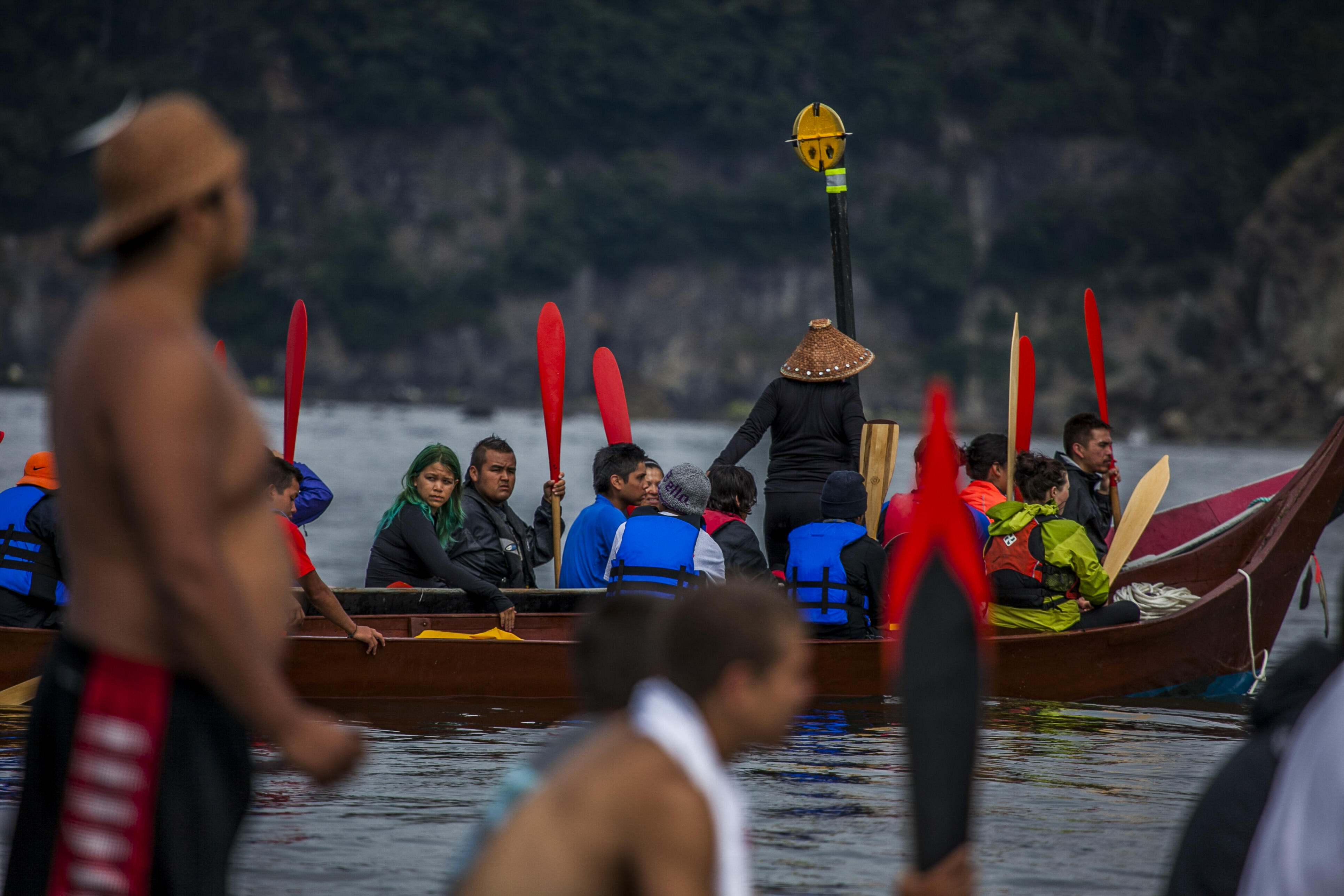
Tribal Engagement Training: Welcome to Indian Country 101
Announcing free tribal engagement training designed to help conservation leaders grow competency and capacity to partner with Indigenous Peoples in Washington and across the United States. Learn More About Indian Country 101
-
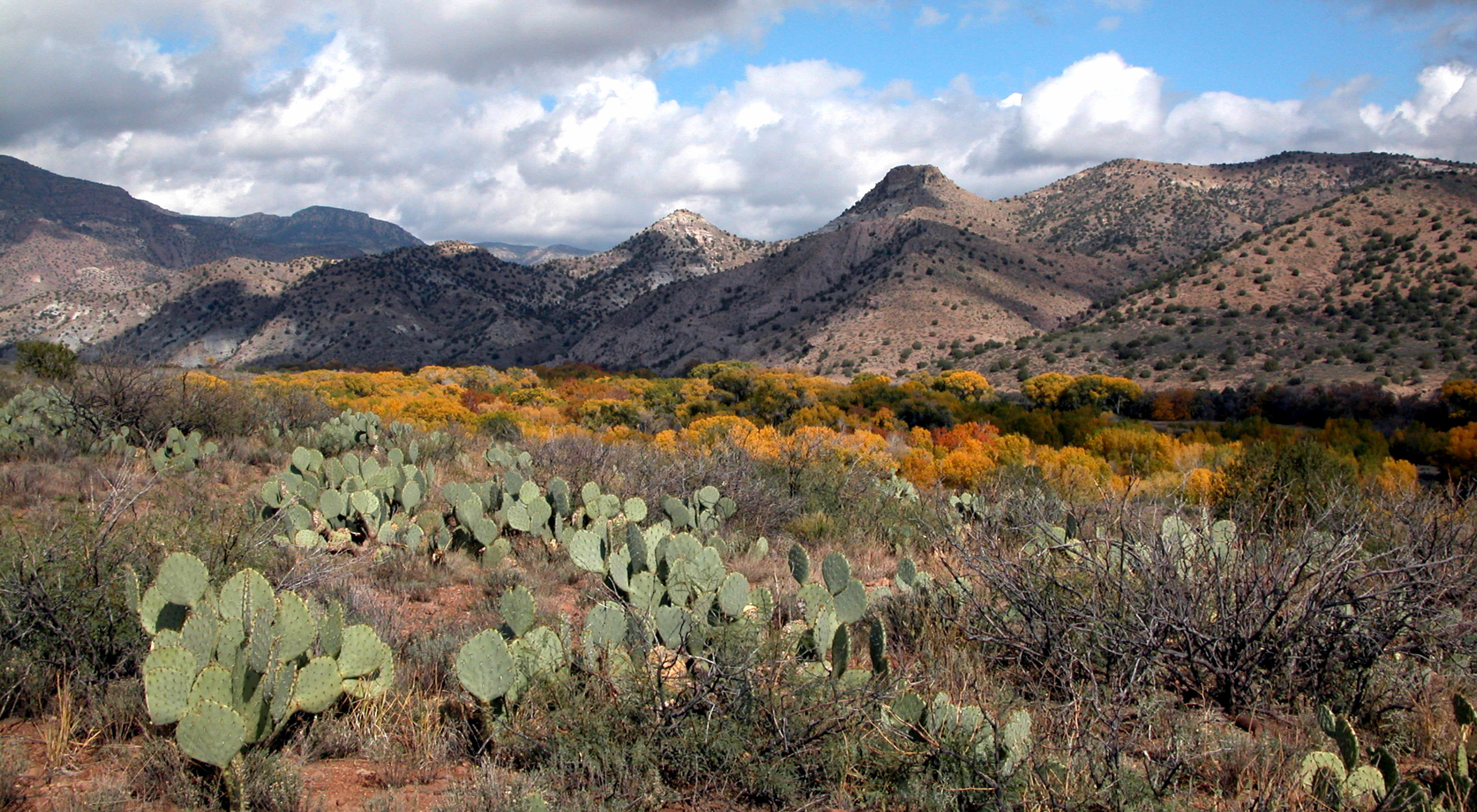
Working With Indigenous Peoples in New Mexico
In New Mexico, TNC acknowledges and learns from our Indigenous communities. Read more.
-
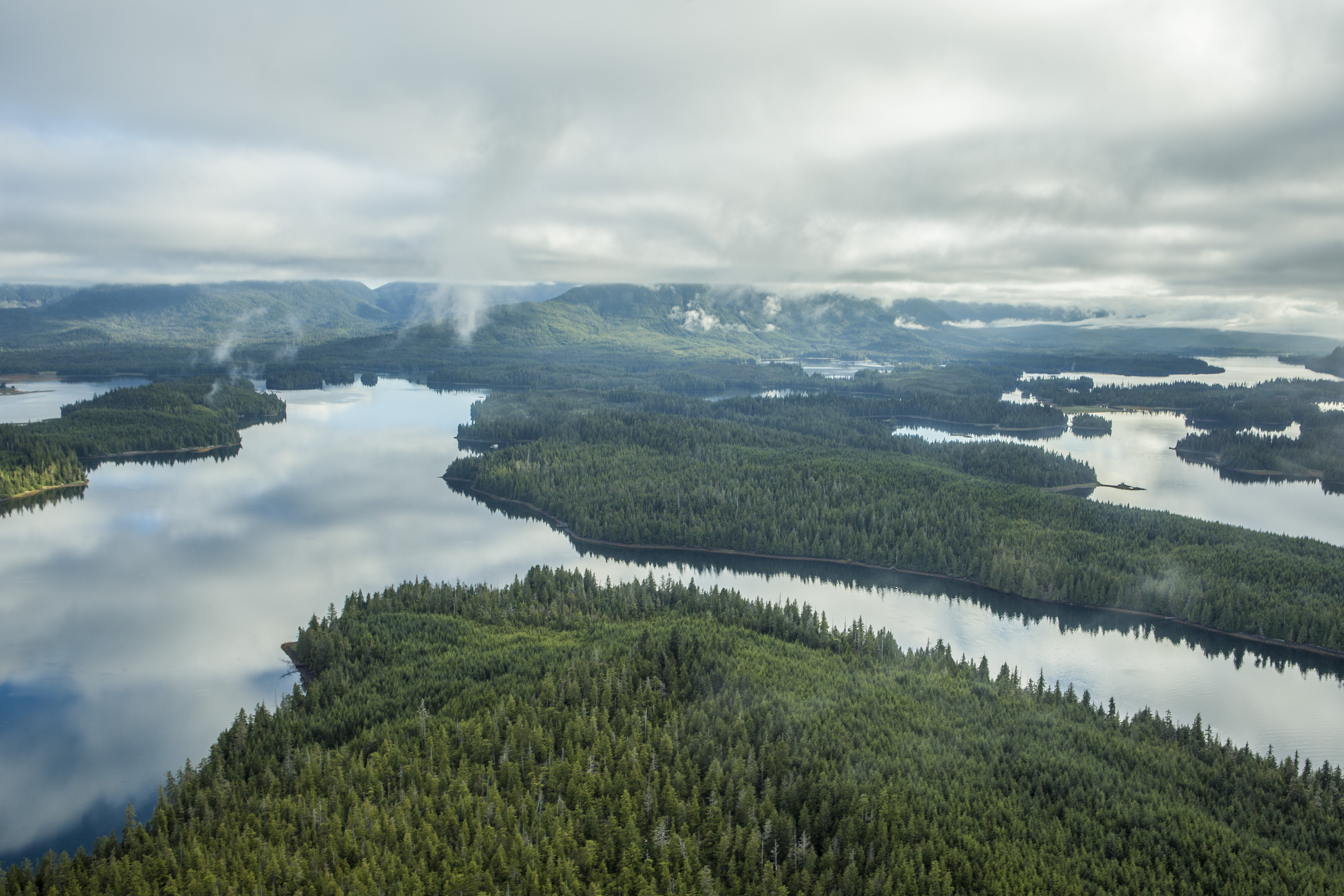
Conservation in America's Tongass
The Nature Conservancy works with communities in the Tongass Forest where Southeast Alaska's coastal villages have deep ties to the land and sea and a unique way of life that taps the wealth of the forest and 17,000 miles of salmon streams. Read more.
-
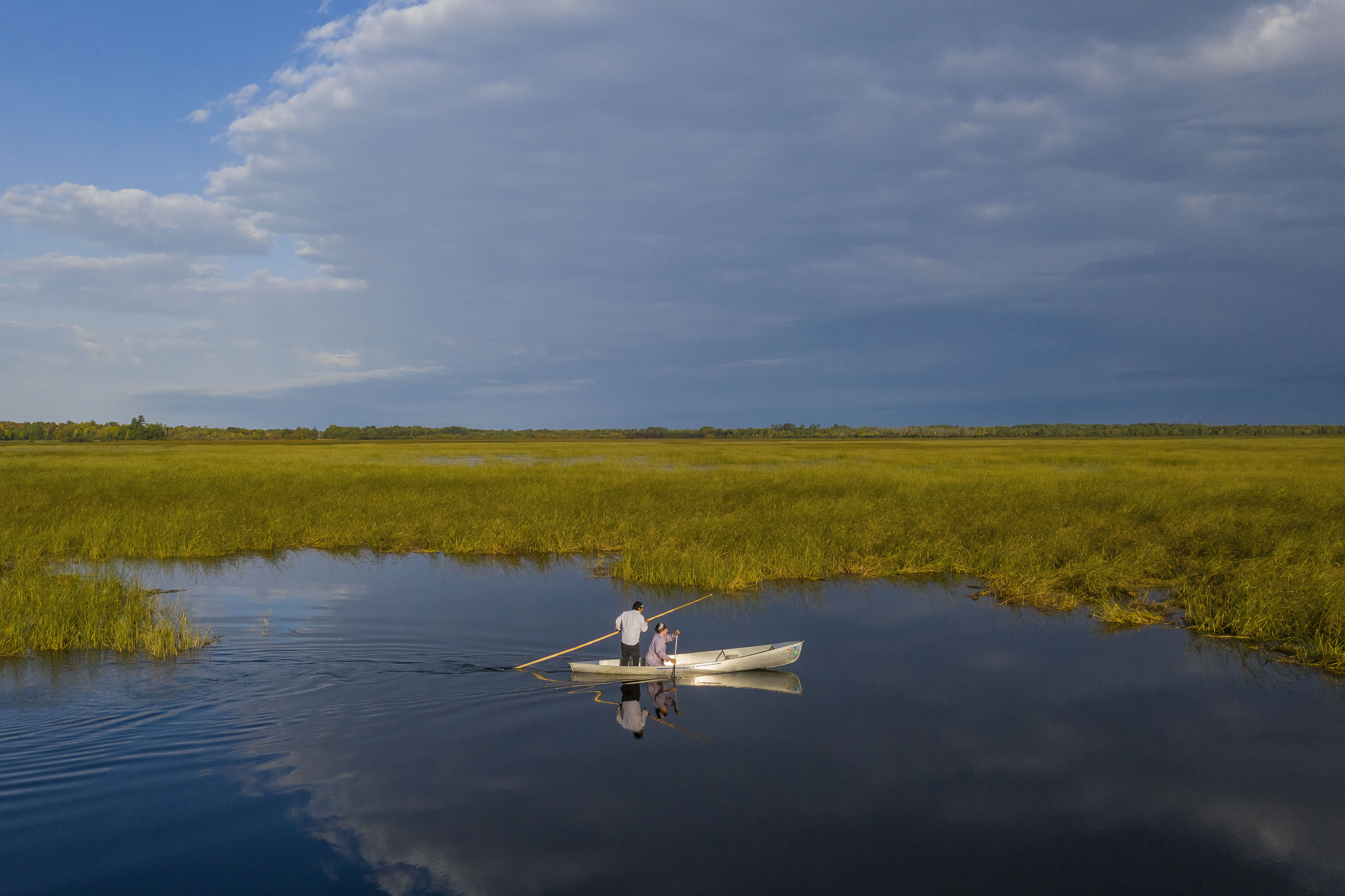
Wild Harvest
In northern Minnesota, the Ojibwe people are keeping a vital tradition alive even in the face of growing challenges. Read more.
-

Respecting Fire: Where Conservation Science and Indigenous Wisdom Meet
The Cheyenne and Arapaho Tribes, Chickasaw Nation and Bureau of Indian Affairs partnered with The Nature Conservancy in Oklahoma to conduct controlled burns at the J.T. Nickel Family Nature & Wildlife and Pontotoc Ridge Preserves. Read more.
-

Quiet Fire
Indigenous tribes in California and other parts of the U.S. have been rekindling the ancient art of controlled burning. Read more.
-
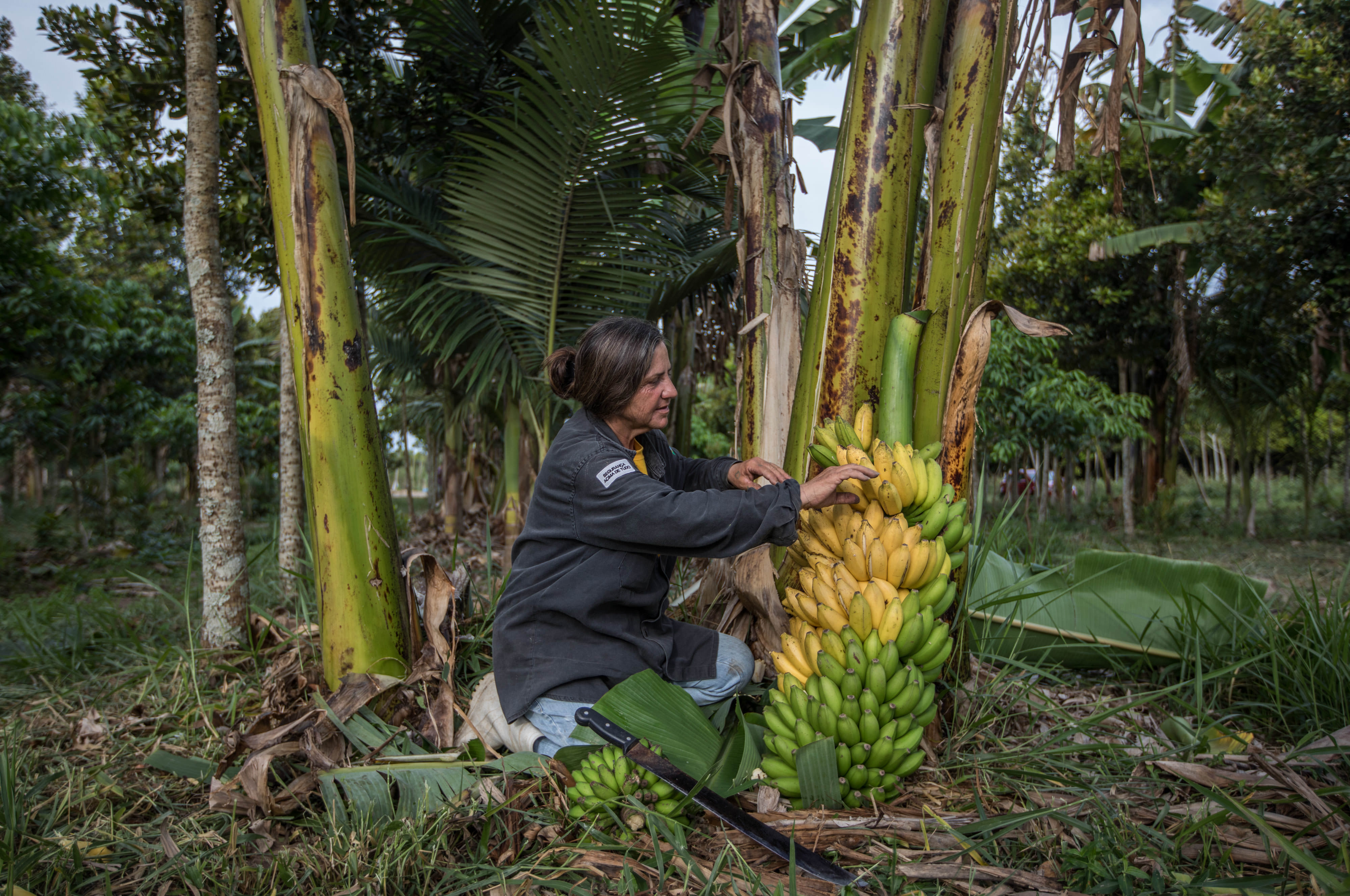
Protecting Nature Through Authentic Partnerships
Conservation for the coming decades must be based in authentic partnerships with Indigenous Peoples and local communities. Read more.
-
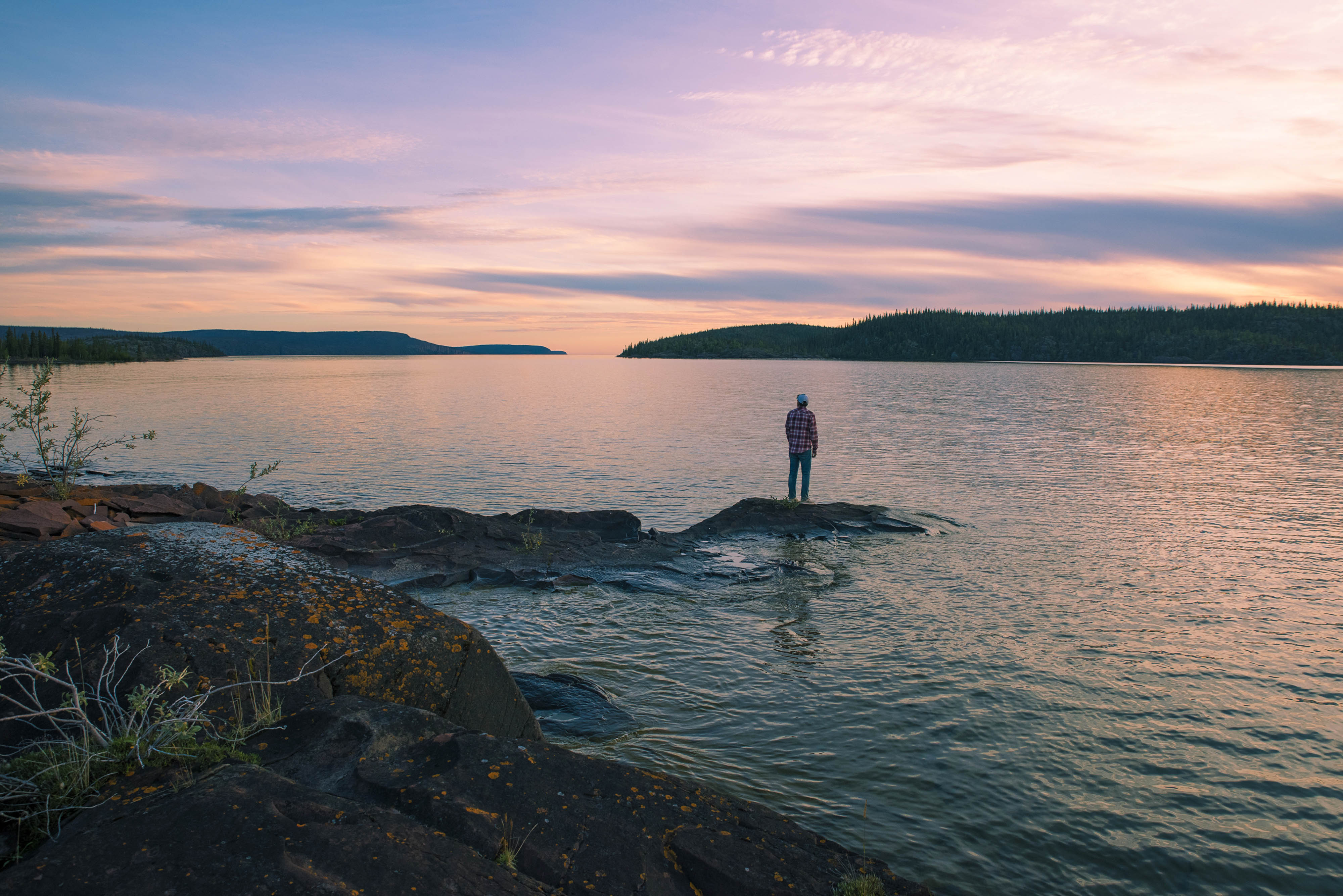
The Guardians
In northern Canada, a First Nation community is asserting its people’s rights and authority over 6.5 million acres of their traditional homelands. Read more.
-
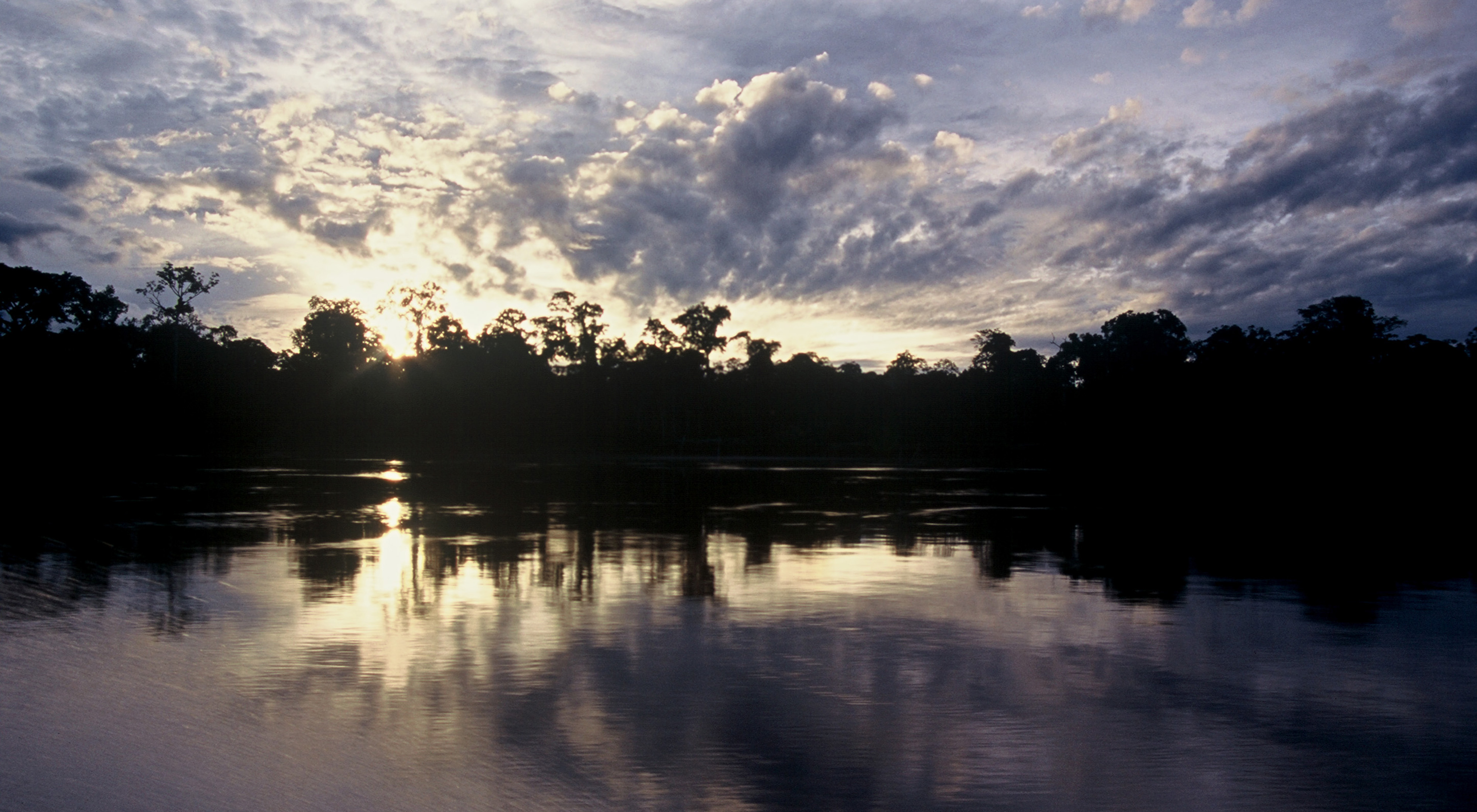
Ancestral Memory: Key to Saving the Amazon
From Colombia, Brazil and Ecuador, different voices stress the importance of protecting Indigenous traditions under threat in the wake of the COVID-19 pandemic. Read more.
-
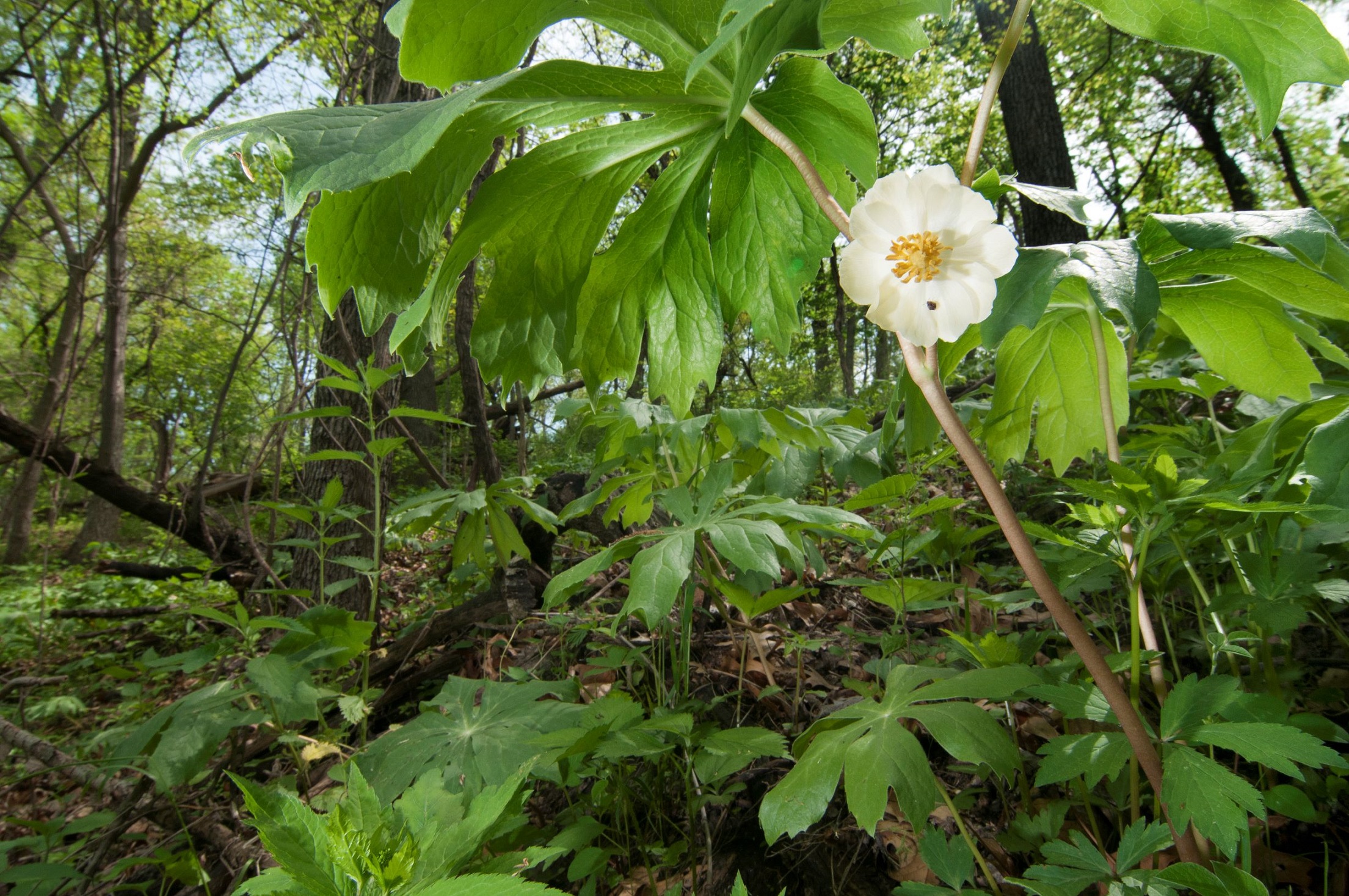
Homecoming for Rulo Bluffs
444 acres of woodlands and prairie are now back in the hands of the Iowa Tribe of Kansas and Nebraska. Read more.
Jump to:
‹ Our Approach | Resources ›
Partnering with Indigenous Peoples and local communities has been an important part of TNC’s approach for many years.
And like all conservation organizations, our history is imperfect. We’ve made missteps, and TNC is committed to continually learning and growing in how we show up as an authentic, ethical, and effective conservation partner.
The success of our mission depends on it.
Resources
-
Indian Country 101 Training
In this spirit of ongoing reflection, learning, and growth, we are proud to offer a new free training opportunity, Growing Competency and Capacity to Partner with Indigenous Peoples: Tribal Engagement Training for Conservation Practitioners in North America.
-
The Voice, Choice, and Action Framework
The (VCA) Framework is our common approach to supporting Indigenous and local community authority and capacity in natural resource management and decision making. Learn more about the framework.
-

Human Rights Guide for Working with Indigenous Peoples & Local Communities
TNC is committed to a human rights-based approach to conservation, standing with Indigenous Peoples as they protect and exercise their rights. Explore our guide.
Jump to: