
Description
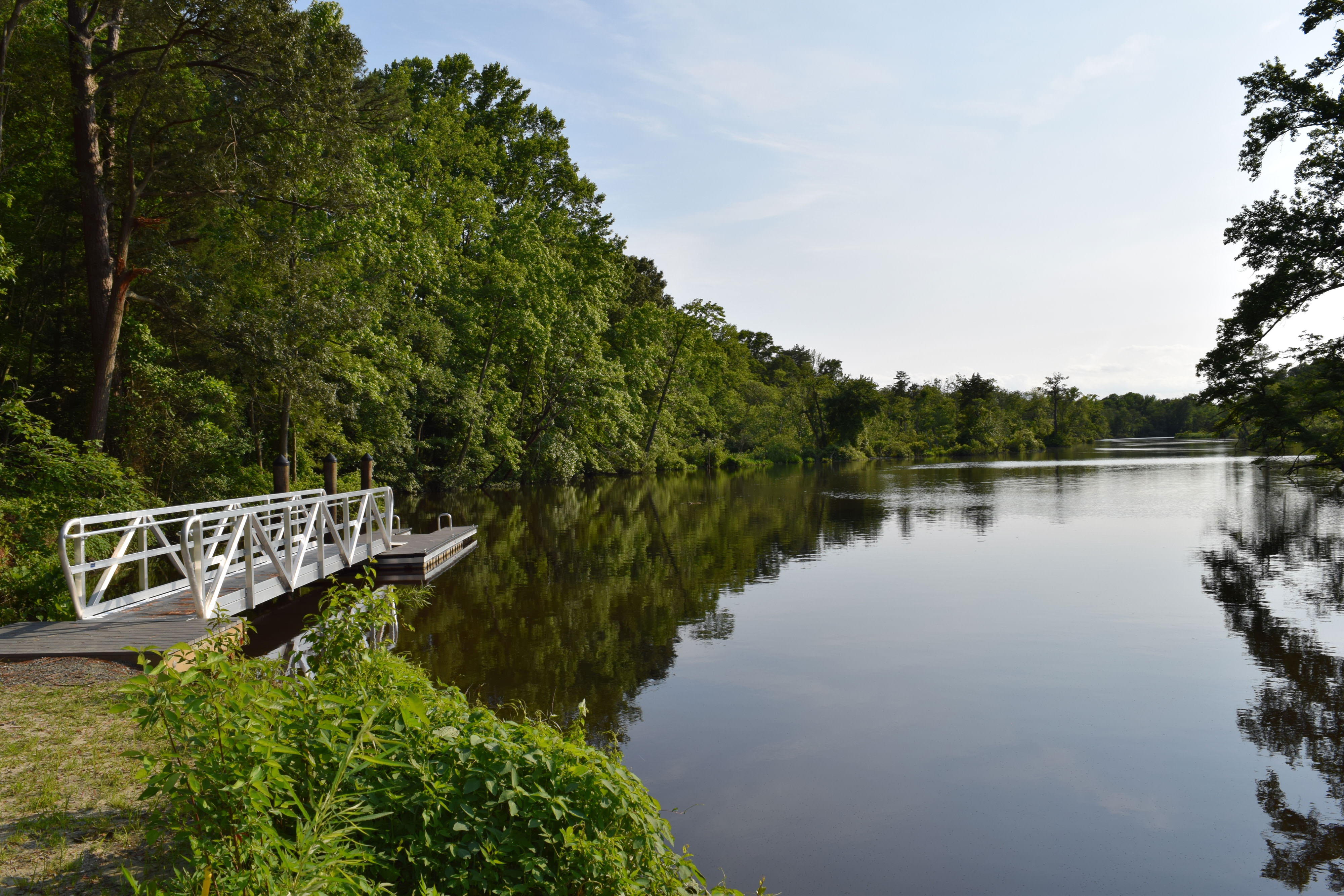
Donated to The Nature Conservancy in 1993 by Constance McCabe, the Edward H. McCabe Nature Preserve is TNC's most-visited public preserve in Delaware. It features a wide range of habitats found along the Broadkill River that harbor diverse plants and animals within a small area of the Delmarva Peninsula.
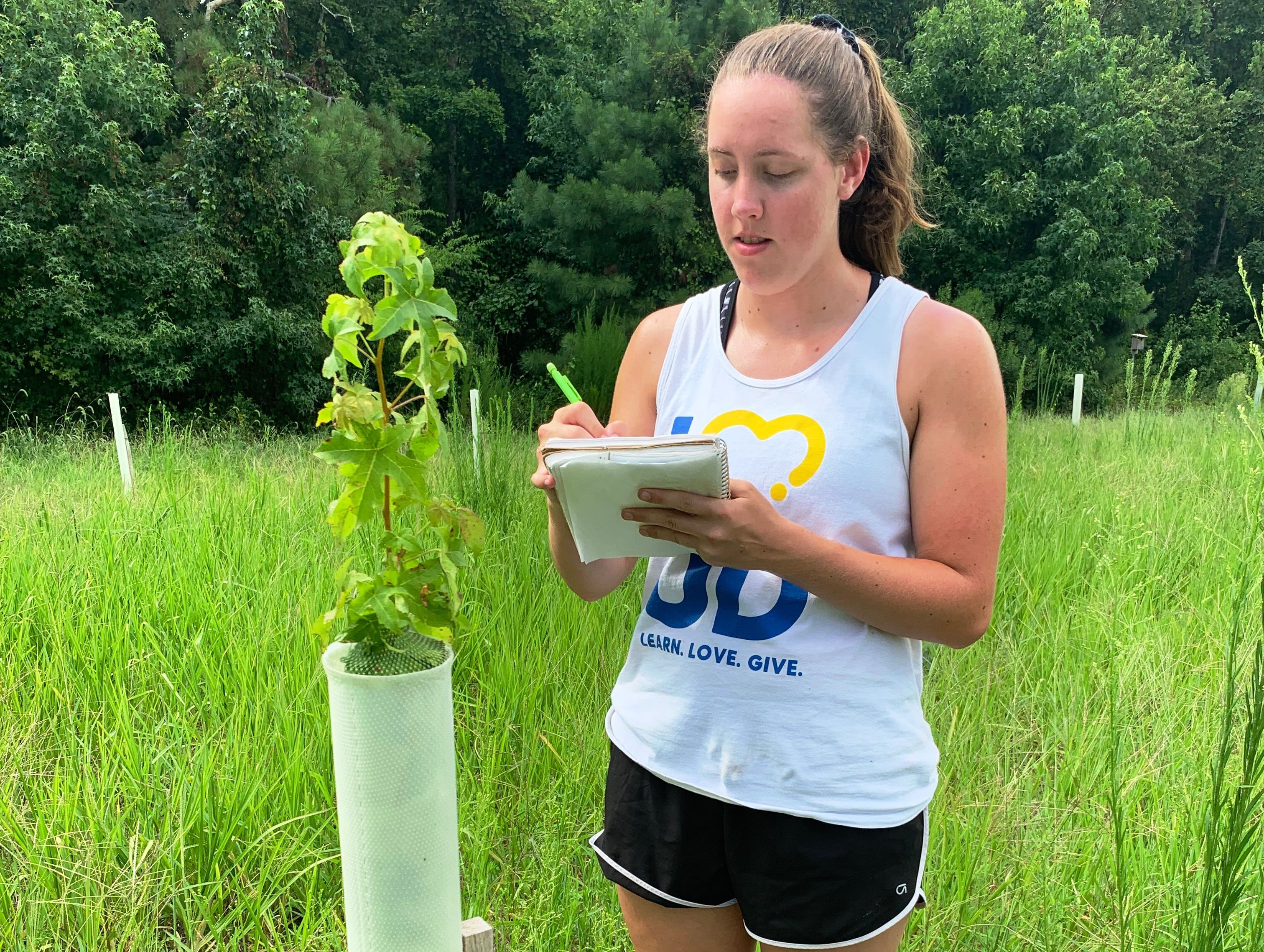
When Constance McCabe donated her family’s land to TNC, about 25 percent of the land was used for farming. Material dredged from the river channel had also been deposited in a five-acre clearing located on the property. Today, TNC manages the preserve as a natural area that is open for controlled public use.
Ecosystem Variety
Several distinct habitat types are found along the Broadkill River and within the preserve including tidal marsh, scrub-shrub wetlands and upland forest.
Adjacent to the open water of the river, emergent tidal marshes are regularly flooded, creating diverse habitats dominatedby flowering herbs and sedges including marshmallow, arrow arum, pickerel weed, broad-leaved arrowhead and tear-thumb. Further from the river’s edge, marsh transitions into into scrub-shrub wetlands that feature swamp rose, arrow-wood, buttonbush, common alder and globally-rare seaside alder.
Just inland from the tidal marsh and associated wetlands, stands of red maple, blackgum and loblolly pine survive the oxygen-depleted swamp soils by growing on mounded hummocks. Long-prized and logged for its durability, Atlantic white cedar is identified by its reddish brown, fibrous trunk, conical crown and evergreen scale-like leaves. The swamp understory harbors fragrant bayberry bushes and spectacular spring-blooming wild azaleas.
Upland forests of various ages comprise much of the preserve and provide insight into the history of McCabe. Like many in Delmarva, these upland forests were logged to make way for farms following European settlement.
In May and June, bird watchers with a keen eye can see colorful migratory neo-tropical birds including a variety of warblers and thrushes. Keep an eye on the ground as well, as eastern box turtles are commonly seen foraging for food along the trails. During warmer months, the wildflower meadow comes alive with colorful blooms that are enjoyed by monarch and tiger swallowtail butterflies, among others.